Bifacial solar panels represent an advancement in photovoltaic technology, enabling the capture of sunlight from both the front and rear surfaces of the panel. Traditional monofacial solar panels have opaque back sheets, limiting energy generation to the sun-facing side. In contrast, bifacial panels utilize a transparent back sheet, often made of glass, which allows sunlight reflected off the ground or other surfaces to be absorbed by the solar cells on the rear.
How They Work:
- Dual Light Absorption: Bifacial solar cells are designed with contacts on both the front and back, allowing them to convert light into electricity from either side.
- Transparent Back Sheet: The replacement of the opaque back sheet with a transparent material is crucial for allowing light to reach the rear of the cells.
- Albedo Utilization: A significant advantage of bifacial panels is their ability to harness albedo – the sunlight reflected from the ground, snow, water, or artificial surfaces. The amount of energy gained from the rear side depends heavily on the reflectivity of the surface beneath and around the panels, as well as the mounting height.
Key Features and Considerations:
- Cell Technology: Bifacial panels can be constructed using various solar cell technologies, including monocrystalline and polycrystalline silicon.
- Framing: Many bifacial panels adopt a frameless design, often using glass on both sides, which enhances durability and reduces the risk of potential-induced degradation (PID).
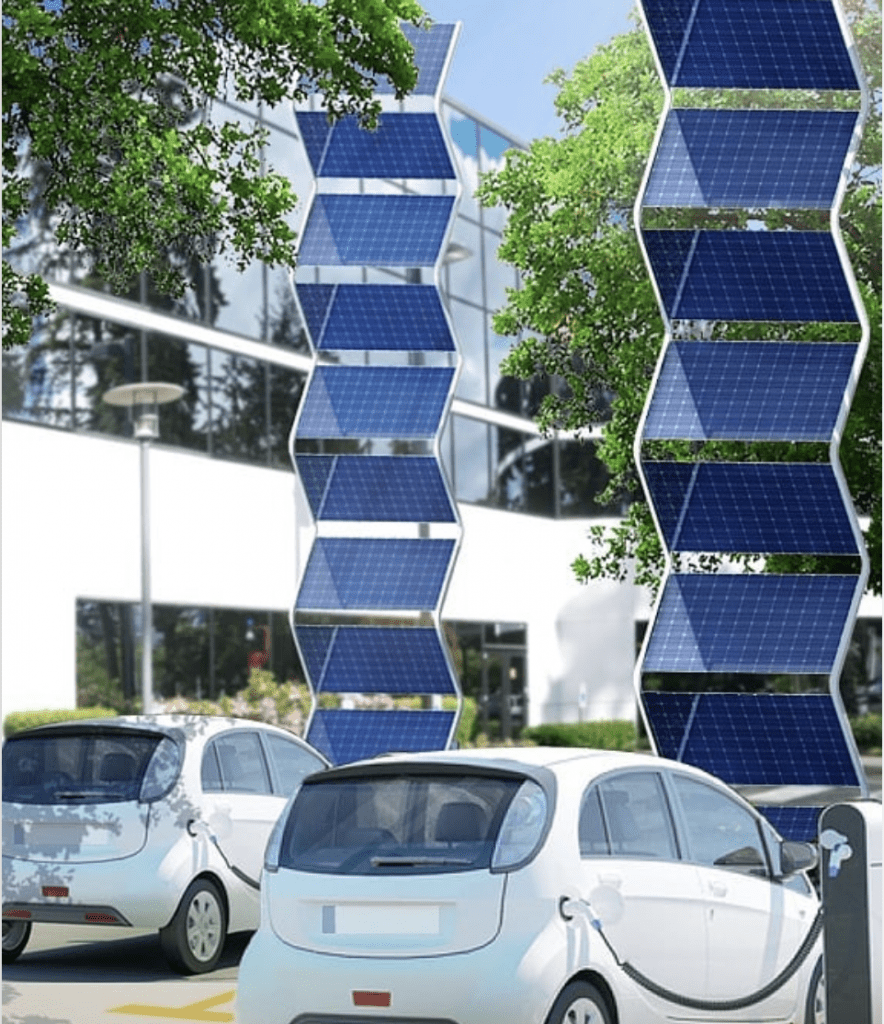
- Mounting: Optimal performance of bifacial panels requires mounting systems that allow light to reach the rear surface. This typically involves elevating the panels above the ground or a reflective surface. Suitable mounting configurations include open-rack ground mounts, carports, awnings, and even vertical installations. Rooftop installations that lie flat against a non-reflective roof surface will see minimal benefit from the bifacial aspect.
Advantages of Bifacial Solar Panels:
- Increased Energy Yield: By capturing sunlight from both sides, bifacial panels can generate significantly more energy compared to monofacial panels within the same footprint. Gains typically range from 5% to 30% depending on the installation and ground surface reflectivity.
- Higher Efficiency: The ability to utilize reflected light effectively increases the overall energy conversion efficiency of the system.
- Enhanced Durability: Glass-on-glass construction often used in bifacial panels provides better protection against environmental factors like UV radiation, temperature fluctuations, and moisture, potentially leading to a longer lifespan and extended warranties (up to 30 years).
- Better Performance in Diffused Light: The increased surface area for light absorption allows bifacial panels to perform better in cloudy or low-light conditions.
- Reduced Potential-Induced Degradation (PID): Frameless designs can mitigate PID, a performance-reducing phenomenon in solar panels.
- Aesthetically Appealing: Some bifacial installations, like pergolas or awnings, can be visually more appealing due to the transparency and frameless design.
- Effective in Snowy Conditions: Reflected light from snow can significantly boost the performance of bifacial panels.
Disadvantages of Bifacial Solar Panels:
- Higher Initial Cost: Bifacial panels generally have a higher manufacturing cost due to the more complex design and materials used.
- Installation Complexity: Achieving the full benefits of bifacial technology requires careful consideration of mounting height, tilt angle, and ground surface reflectivity, which can make installation more complex and potentially increase costs. Specialized mounting structures may be needed to avoid shading the rear surface.
- Space Requirements: While they produce more energy per panel, the need for elevated mounting can sometimes influence the overall space planning of a solar project.
- Weight: Some bifacial panels, especially glass-on-glass types, can be heavier than traditional monofacial panels, which might impact installation and structural requirements.
- Wiring Considerations: The potential for higher current generation from the rear side might necessitate careful sizing of wires, fuses, and other electrical components.
- Limited Benefit in Some Applications: For standard rooftop installations on non-reflective surfaces, the bifacial capability offers minimal to no advantage, making them less cost-effective in such scenarios.
In summary, bifacial solar panel technology offers the potential for increased energy generation and enhanced durability, making them particularly advantageous for ground-mounted and elevated installations where reflected light can be effectively utilized. While the initial cost and installation can be more complex, the long-term benefits of higher energy yields and extended lifespan can make them a compelling option for various solar energy projects.