
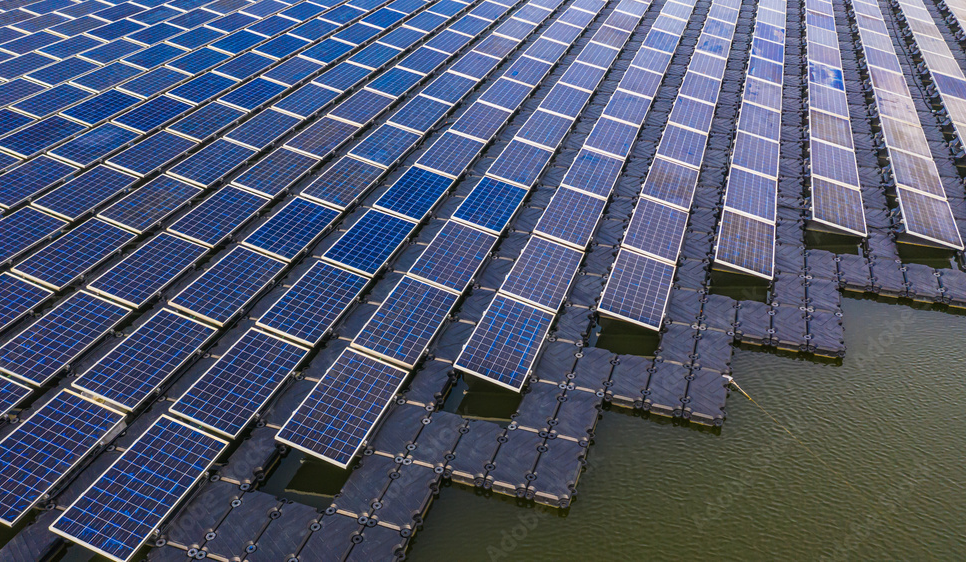
Polycrystalline solar panels, also known as multi-crystalline silicon solar panels, are a type of photovoltaic (PV) technology where the solar cells are made from multiple silicon crystals that have been melted together and cooled. This manufacturing process gives them a distinct appearance and some unique characteristics compared to monocrystalline panels.
Here’s a breakdown of the polycrystalline solar panel technology:
Manufacturing Process:
- Silicon Melting and Crystallization: Unlike the single-crystal growth in monocrystalline production, polycrystalline silicon is made by melting multiple silicon crystals together in a mold. This molten silicon is then cooled and solidified. Because the silicon cools and crystallizes with multiple grains (crystals) within the material, it’s termed “polycrystalline.”
- Ingot Formation: The cooled silicon forms a large, square or rectangular ingot. This shape is inherently more efficient for manufacturing wafers compared to the cylindrical ingots of monocrystalline silicon, leading to less silicon waste during the slicing process.
- Wafer Slicing: The square ingot is then sliced into thin, square wafers using wire saws.
- Cell Fabrication: Similar to monocrystalline cells, these wafers are then doped with other elements to create the p-n junction, metal contacts are added, and an anti-reflective coating is applied.
- Panel Assembly: Multiple polycrystalline solar cells are interconnected and encapsulated between a protective top layer (glass) and a backing material, and then framed to form a complete solar panel.
Key Characteristics and Advantages:
- Lower Cost: The manufacturing process for polycrystalline silicon is simpler and less energy-intensive than that of monocrystalline silicon. Melting multiple silicon fragments together is easier and faster than growing a large single crystal. This translates to lower production costs and, generally, a more affordable price for consumers.
- Less Silicon Waste: The square shape of the ingots and wafers in polycrystalline production leads to less silicon being wasted during the slicing process compared to the rounded edges of monocrystalline wafers cut from cylindrical ingots.
- More Environmentally Friendly Production: The lower energy consumption in the manufacturing process results in a smaller carbon footprint compared to monocrystalline panel production.
- Decent Efficiency: While generally less efficient than monocrystalline panels, polycrystalline panels still offer reasonable efficiency, typically ranging from 13% to 17%. Ongoing technological advancements are continuously improving these efficiency rates.
- Good Performance in Diffused Light: Some studies suggest that polycrystalline panels might perform slightly better than monocrystalline panels in diffused light conditions or when not directly facing the sun.
Disadvantages:
- Lower Efficiency: The presence of multiple crystal boundaries in the silicon material hinders the free movement of electrons, resulting in lower energy conversion efficiency compared to monocrystalline panels. This means you might need more polycrystalline panels to generate the same amount of power as fewer monocrystalline panels.
- More Space Required: Due to their lower efficiency, polycrystalline systems often require more roof space to achieve the desired power output compared to monocrystalline systems.
- Aesthetic Appearance: Polycrystalline solar cells typically have a blue, somewhat speckled or marbled appearance due to the multiple crystals. Some people find this less aesthetically appealing than the uniform black of monocrystalline panels.
- Slightly Lower Lifespan (Historically): While modern polycrystalline panels have significantly improved, they historically had a slightly shorter lifespan and higher degradation rates compared to monocrystalline panels. However, the difference in longevity has narrowed considerably with advancements in manufacturing.
- Potentially Higher Temperature Coefficient: Polycrystalline panels can sometimes have a higher temperature coefficient, meaning their performance might degrade slightly more at high temperatures compared to some monocrystalline panels. However, this is also an area of ongoing improvement.
Applications:
Polycrystalline solar panels are a popular choice for a wide range of applications, including:
- Residential Solar Systems: Their cost-effectiveness makes them an attractive option for homeowners looking to reduce their electricity bills.
- Commercial and Industrial Installations: They are often used in large-scale commercial projects where cost is a significant factor and ample roof space is available.
- Solar Farms: Polycrystalline panels are commonly deployed in utility-scale solar power plants due to their lower cost per watt.
- Off-Grid Applications: They can be used in off-grid systems, especially where budget is a primary concern.
In summary, polycrystalline solar panel technology offers a more budget-friendly and environmentally conscious approach to solar energy generation. While they are generally less efficient and might require more space than monocrystalline panels, their reliability and lower cost make them a widely adopted solution for various solar power needs.tis dui eu tortor lobortis tristique. Mauris tincidunt turpis ac sagittis tempus. Donec eget interdum neque, ac tempus ipsum.
