
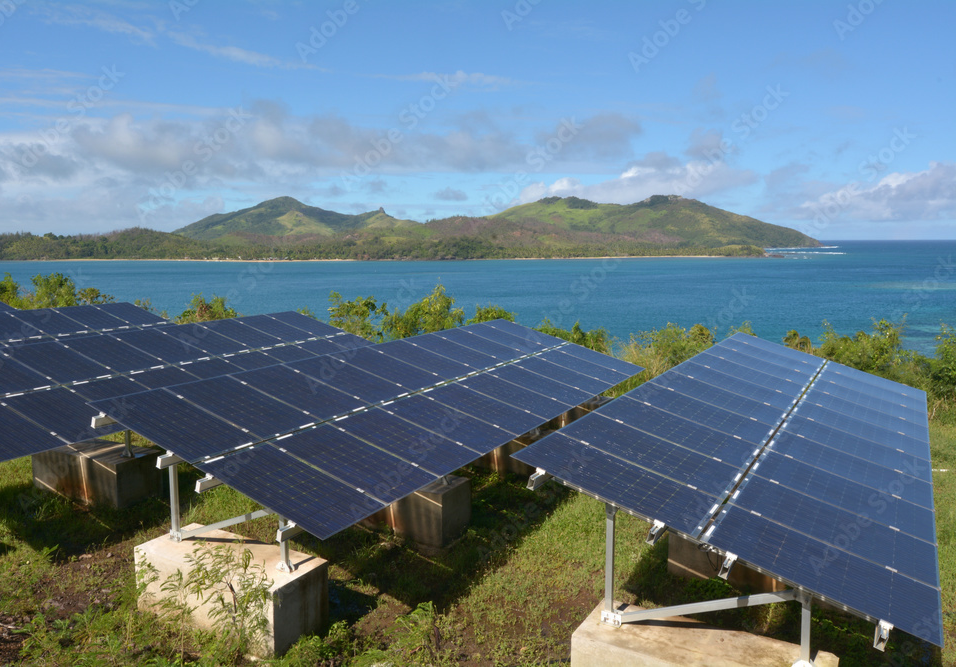
Monocrystalline solar panels are a type of photovoltaic (PV) technology that utilizes solar cells made from a single, continuous crystal of silicon. This distinct characteristic gives them several key properties and advantages.
Here’s a more detailed look at the technology:
Manufacturing Process:
- Silicon Purification: The process begins with high-purity silicon, typically extracted from quartz. This silicon is purified to a very high degree to ensure efficient electron flow within the crystal lattice. Methods like the Siemens process and zone refining are employed to achieve this.
- Crystal Growth: A crucial step involves growing a large, single crystal of silicon. The most common method is the Czochralski process. In this process, a small “seed” crystal of silicon is dipped into a vat of molten, high-purity silicon. The seed crystal is slowly pulled upwards and rotated simultaneously. As it’s withdrawn, a cylindrical ingot of single-crystal silicon forms, inheriting the crystalline structure of the seed.
- Wafer Slicing: The cylindrical silicon ingot is then sliced into thin, circular or pseudo-square wafers using diamond wire saws. This slicing process can result in some material waste.
- Cell Fabrication: The silicon wafers undergo further processing to create solar cells. This involves doping the silicon with other elements (like phosphorus and boron) to create n-type and p-type semiconductor layers, which are essential for generating an electric field. Metal contacts are added to the top and bottom of the cell to collect the generated electrons. An anti-reflective coating is applied to the top surface to maximize light absorption.
- Panel Assembly: Finally, multiple solar cells are interconnected and encapsulated between a protective top layer (usually glass) and a backing material. This assembly is framed to create a complete solar panel.
Key Characteristics and Advantages:
- High Efficiency: Due to the single, continuous crystal structure of the silicon, electrons can move more freely, leading to higher energy conversion efficiency. Monocrystalline panels typically have efficiencies ranging from 17% to over 20%, making them the most efficient type of solar panel commercially available.
- Space Efficiency: Their high efficiency means they can generate more power per unit area compared to other types of solar panels. This makes them ideal for installations with limited roof space.
- Longevity and Durability: Monocrystalline silicon is a stable and durable material. Monocrystalline panels generally have a long lifespan, often backed by warranties of 25 years or more. They also tend to exhibit better heat resistance compared to polycrystalline panels, resulting in less performance degradation at high temperatures.
- Aesthetically Pleasing: Monocrystalline solar cells typically have a uniform, dark black appearance, which many find more visually appealing than the blue, somewhat variegated look of polycrystalline cells.
- Good Low-Light Performance: While they perform best in direct sunlight, monocrystalline panels generally have good performance even in low-light conditions compared to some other technologies.
Disadvantages:
- Higher Cost: The manufacturing process for monocrystalline silicon is more complex and energy-intensive than that for polycrystalline silicon, leading to higher production costs and, consequently, a higher price for the panels.
- Manufacturing Waste: The process of cutting the cylindrical ingots into wafers can result in some silicon waste, although advancements in manufacturing are continuously trying to minimize this.
- Performance Can Be Affected by Shading: Like all solar panels, the performance of a monocrystalline panel can be significantly reduced if even a portion of the panel is shaded. However, this is a system-level issue that can be mitigated with proper design and the use of technologies like optimizers or microinverters.
Applications:
Monocrystalline solar panels are widely used in various applications, including:
- Residential Rooftop Systems: Their high efficiency and space-saving nature make them a popular choice for homes.
- Commercial and Industrial Installations: Businesses often opt for monocrystalline panels to maximize energy generation from available roof space.
- Off-Grid Systems: Their efficiency is beneficial in off-grid applications where maximizing power from a limited panel area is crucial.
- Portable Solar Chargers: Smaller monocrystalline panels are used in portable chargers for electronic devices.
In conclusion, monocrystalline solar panel technology is characterized by its use of single-crystal silicon, resulting in high efficiency, good durability, and a sleek appearance. While they typically have a higher upfront cost, their long-term performance and space efficiency make them a compelling option for many solar energy applications.
